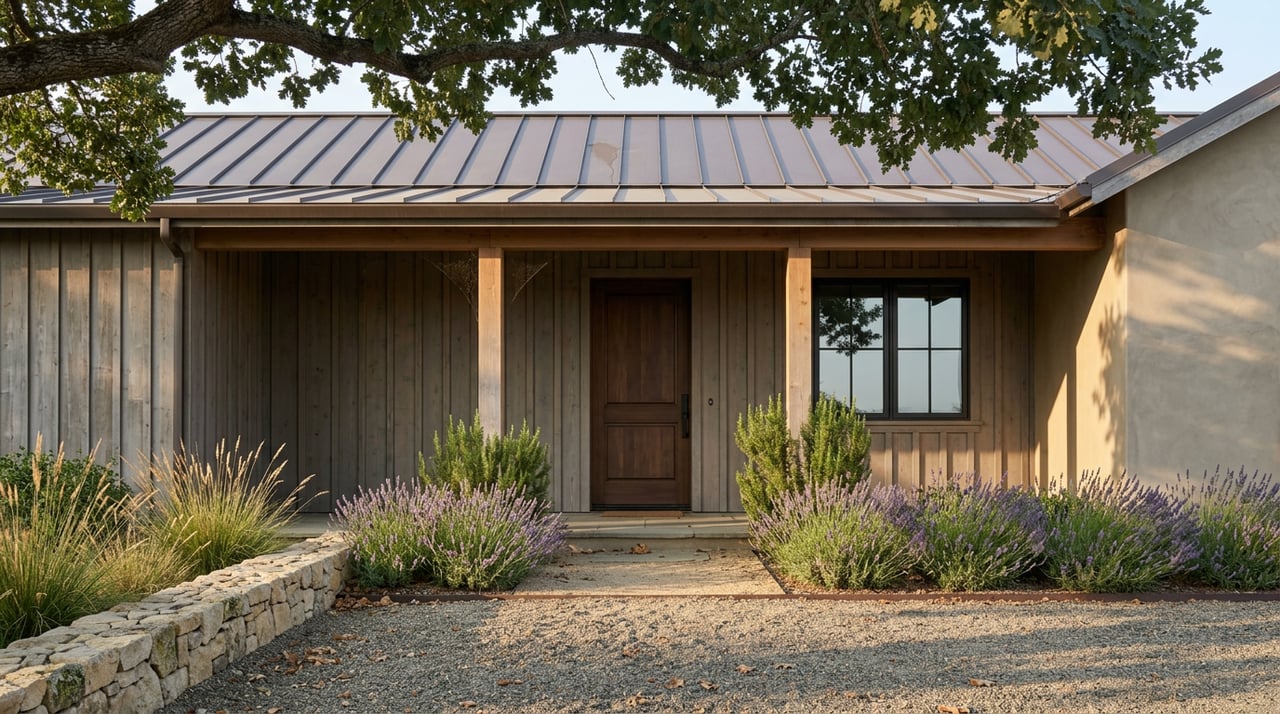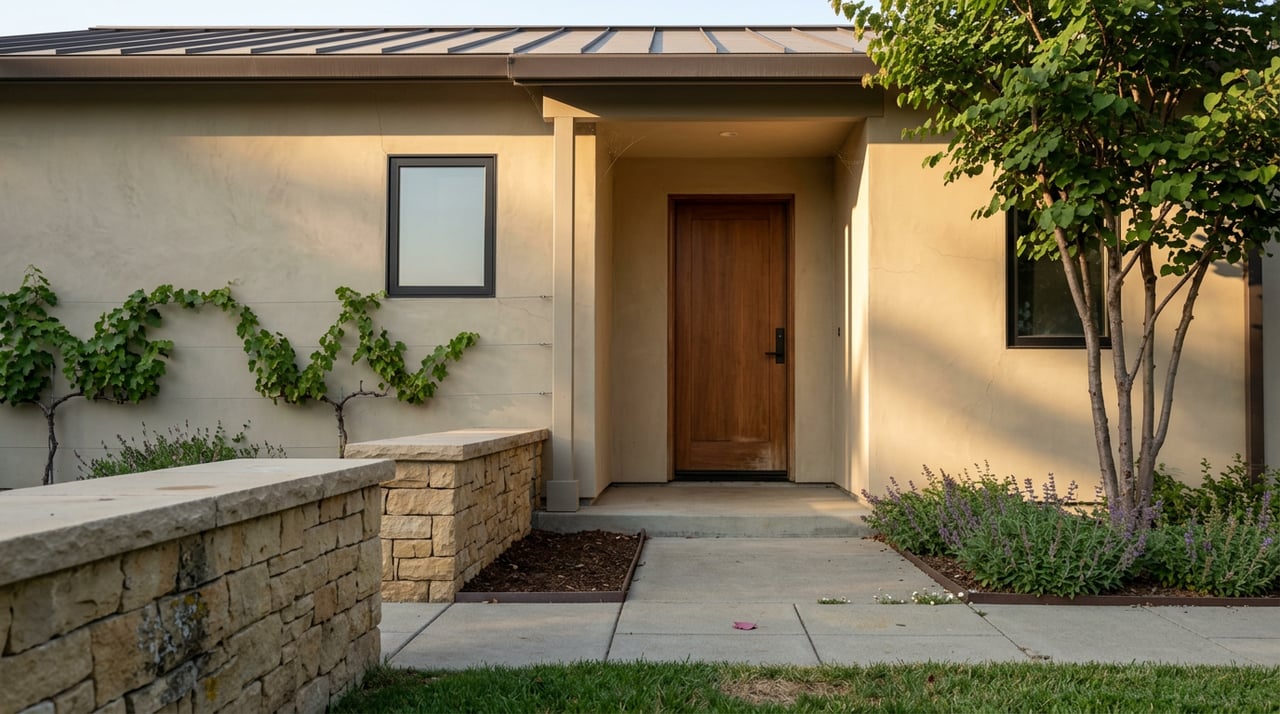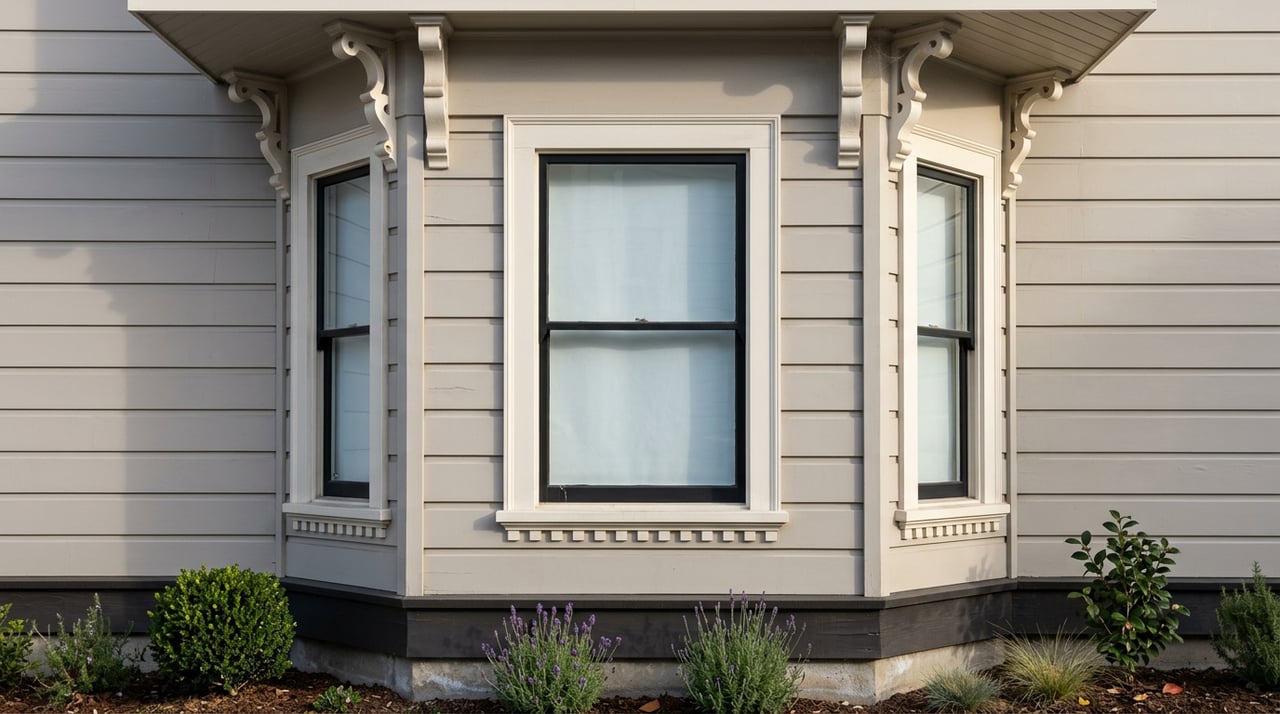
Two homes list on the same Tuesday. One is a 1978 ranch on the East Side, three bedrooms, tile roof, permitted addition from 2011. The other is an 1897 Italianate on the West Side, four bedrooms, original double-hung windows, a kitchen someone remodeled in 1994 without pulling permits. On paper the list prices are within fifty thousand dollars of each other. In practice they are two entirely different transactions, and the second one started six months before the sign went in the yard.
That gap is the story of selling in Petaluma right now. The city's median sale price sat at roughly $874,000 across the three months ending May 2026, with homes averaging 23 days on market and Sonoma County's overall median trailing at $770,000 in Q1. Petaluma clears fast when the file is clean. When the file is messy, and in the historic districts the file is almost always messy, the price on the sign is the least important number in the deal.
A Market That Is Actually Two Markets
The West Side, ZIP 94952, is dominated by 19th-century Victorians, Craftsman cottages, and pre-1906 stock, with median list prices running around $1,175,000. The East Side, ZIP 94954, is mostly 1970s and 1980s ranch and tract homes with a median closer to $915,000. Same city, same tax rate, same schools, very different transactions.
The interpretation buyers and sellers miss: West Petaluma's median sale price per square foot was $636 as of mid-2026, down 3.3% year over year, while Petaluma as a whole was up 2.2%. The historic stock is softening a little faster than the newer inventory, which means a Victorian priced against 2024 comps will sit. The market is telling sellers of pre-1940 homes to sharpen the pencil and lengthen the runway, not to assume that scarcity alone will carry the number.
Why the HCRC Sits Between You and the Buyer
Petaluma maintains a nationally registered commercial district and three residential historic areas: Oakhill-Brewster, northwest of downtown and adopted by ordinance in 1990; A Street, south and east of downtown, with contributing homes built between roughly 1860 and 1925; and a small Upham Street area subject to the Oakhill-Brewster guidelines. More than 300 additional properties have been surveyed for potential historic significance.
If your home sits inside one of those districts, or carries an individual designation, the Historic and Cultural Preservation Committee may need to review exterior work before a permit is issued. The city's own language is unambiguous: almost all exterior work requires some level of discretionary review. That includes items sellers routinely try to check off during a pre-listing sprint:
- Window replacement, including like-for-like swaps
- Roofing material changes
- Siding repair with non-matching profiles
- Door replacement on street-facing elevations
- Paint scheme changes on some designated properties
The friction is not that the HCRC says no. It is that a buyer's inspector will flag an unpermitted 2011 window swap, the buyer will ask for closed permits or a credit, and the closed permit does not exist because the previous owner treated the work as maintenance. That conversation, held in the last week of a 30-day contingency period, is where deals die.
Mills Act Is an Asset, Not a Footnote
Sellers of designated historic properties frequently underprice the single most valuable thing on their title report. A Mills Act contract exchanges preservation commitments for property tax reductions in the range of 20% to 70%, and the contract transfers automatically to the new owner at close. That is a durable, quantifiable expense reduction that a buyer's lender will treat as real when running affordability.
Practically, if your annual property tax bill drops from $14,000 to $6,000 under an active Mills Act contract, a buyer at a 6.6% mortgage rate can carry roughly $100,000 more in loan principal at the same monthly payment. That is not a soft marketing benefit. That is a comp adjustment the listing description needs to make explicit, and it is a document the escrow file needs to surface early so the buyer's agent can price the offer against it.
Roughly 40% of Petaluma properties are age-eligible for Mills Act consideration. A material share of the West Side inventory could carry a contract and does not, either because the current owner never applied or because the contract lapsed. If you are within a year of listing, this is a question worth asking before you paint anything.
The Two-to-Four Week Records Problem
Petaluma's own guidance is that permit records predating 2002 may take two to four weeks to retrieve, and older building documents may require a public records request. For a home built in 1897, the useful records are almost entirely on the wrong side of that line.
The listing timeline for a designated Petaluma home is not driven by staging or photography. It is driven by how long the planning counter takes to pull a file.
Sellers who plan to be in escrow inside 45 days need to have requested permit history, any prior historic resource evaluations, and Mills Act paperwork before the pre-inspection is scheduled. Otherwise the buyer's due diligence period ends before the seller can produce documents to answer it, and the buyer defaults to the pessimistic read.
The Insurance Number That Moves the Offer
The West Side hills toward Helen Putnam Regional Park are where wildfire underwriting has tightened hardest. Insurance rate increases in Petaluma averaged 35.8% in 2026, with some segments climbing over 50%, and the California FAIR Plan has become the fallback for a growing share of properties that admitted carriers will no longer write.
For a seller, this shows up in the offer stage. A buyer running a 30-year fixed at prevailing rates in the 6.4% to 6.9% range will underwrite their monthly payment with an insurance quote in hand, not a placeholder. If that quote comes in at $8,000 a year on FAIR Plan plus a wraparound liability policy instead of $2,400 on a standard homeowner policy, the buyer's affordability shifts by roughly the equivalent of $70,000 in purchase price. Sellers who have already secured a current quote, documented any wildfire hardening, and can hand a buyer's agent a defensible insurance path close at higher numbers than sellers who leave that variable open.
Appraisal Is a Documentation Exercise
Appraisers in California follow USPAP and lead with the Sales Comparison Approach. For a Queen Anne on Sixth Street, direct comps in the last six months may not exist. When comps are scarce, appraisers reach for paired-sales analysis, cost estimates, and time adjustments, and the quality of those adjustments depends on what the seller provides.
That means the appraisal package a listing agent assembles matters more here than in the rest of the county. A pre-sale binder that includes designation paperwork, any Mills Act contract, a chronological renovation timeline with permit closures, dated before-and-after photographs, insurance documentation, and a list of suggested comparable sales with notes is not a courtesy. It is the difference between an appraisal that supports the contract price and one that comes in $75,000 short and reopens negotiation the week before close.
A Short FAQ
Do I have to disclose that my home is in a historic district? Yes. The designation affects what a future owner can and cannot change on the exterior and it belongs in the transfer disclosures alongside the standard Natural Hazard Disclosure and any Mills Act contract.
Will pulling permits now for old unpermitted work slow down my listing? Sometimes, and it is still usually the right call. A resolved permit is a fact. An open question invites a credit request or a canceled contract.
Can I keep my Mills Act contract private until the buyer is under contract? You can, but you probably should not. The contract is public record and a knowledgeable buyer's agent will find it. Leading with the tax benefit tends to expand the buyer pool rather than compress the price.
Is the East Side really that different? For transaction mechanics, yes. A 1980s home in the Adobe District or Westridge generally has a complete permit history, standard insurance availability, and comps within a mile. The pre-listing work is a fraction of what a West Side Victorian requires.
The Move Before You List
Selling a historic Petaluma home is a project management assignment before it is a marketing assignment. The homes that clear at strong numbers are the ones where the seller, or the seller's agent, spent the sixty days before listing pulling records, confirming designation status, updating insurance quotes, verifying Mills Act standing, and closing out any exterior work that could raise a review question. The homes that stall are the ones where all of that happens under a contingency clock.
If you own a home in Oakhill-Brewster, A Street, the Upham Street area, or anywhere along the pre-1940 West Side and you are considering a sale in the next twelve months, the useful conversation to have now is not about price. It is about paperwork, and it is about which vendors need to be on the calendar before the sign goes up. Suzanne Ashimine works with sellers of complex and historic Sonoma County properties to build that runway. Request a complimentary home valuation or consultation to start mapping yours.