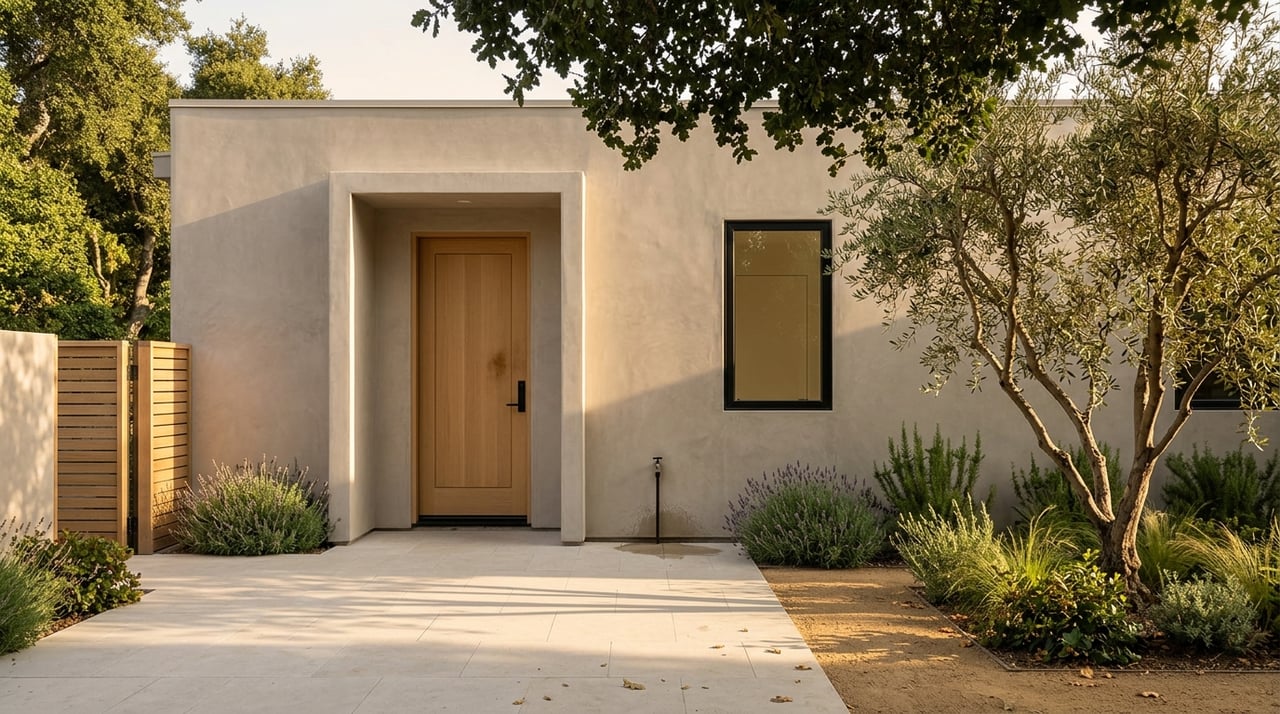
A Napa second home can sound simple at first: find a beautiful place, enjoy Wine Country weekends, and maybe offset some costs when you are away. But in Napa, the details matter fast. If you are thinking about buying a second home here, you need to understand local rental rules, financing expectations, and the realities of owning a property you may not use full-time. Let’s dive in.
Start With the Exact Address
Before you compare finishes, views, or lot size, confirm whether the property is inside the City of Napa or in unincorporated Napa County. That one detail can shape what you can legally do with the home, especially if you hope to rent it out for short stays.
The rules are materially different between the two jurisdictions. A home in the city and a home just outside it may look similar on paper, but they can come with very different limits on vacation rental use, permit availability, and enforcement.
City of Napa Rules
In the City of Napa, vacation rentals are stays of fewer than 31 days. The city is not accepting new vacation-rental permit applications, and wait-list applications are also closed. According to the city, all hosted and non-hosted permits have already been issued.
The city caps non-hosted permits at 41 and hosted permits at 60. Hosted accommodations require the owner to reside and sleep on-site while the unit is rented, and no more than two bedrooms may be rented. Non-hosted permits may transfer to a new owner, while hosted permits may not.
Unincorporated Napa County Rules
In unincorporated Napa County, the rules are stricter. County materials state that short-term occupancies of less than 30 consecutive days are prohibited in residential and agricultural zoning districts. The county also makes clear that having a transient occupancy tax certificate does not make a use legal if zoning does not allow it.
That is a major distinction for second-home buyers. If rental income is part of your plan, you need to verify lawful use based on the property’s jurisdiction and zoning, not just whether a prior owner collected taxes or advertised the home.
Think Carefully About Rental Potential
Many second-home buyers ask the same question: can this home help cover carrying costs? In Napa, that answer depends less on the home’s charm and more on whether the rental use is actually allowed.
A legally rentable property may carry added appeal in a market where permits are limited. But permit status, transferability, and jurisdiction all matter. In practice, a home’s income potential is tied to rules on the specific address, not broad assumptions about Wine Country demand.
Occupancy Tax Matters Too
If a property is lawfully rented in the City of Napa, transient occupancy tax is 12%. It is remitted monthly, and a return must be filed even in months with no rents.
In unincorporated Napa County, transient occupancy tax is 13% and reported quarterly. Operators must also collect a 2% tourism assessment. Even so, the county states clearly that tax registration does not authorize a use prohibited by zoning.
Know How Lenders View a Second Home
Financing a second home is not always the same as financing a primary residence. If you are buying in Napa, it is smart to clarify early whether the property will be treated as a true second home or as an investment property.
That distinction can affect how you qualify, what reserves you need, and whether any rental income can be counted. For many buyers, this is one of the most important planning steps before making an offer.
What Qualifies as a Second Home
Conforming lender guidance says a second home generally must be occupied by you for some portion of the year, be a one-unit property suitable for year-round use, and remain under your exclusive control. It also cannot be a rental property, a timeshare, or a property subject to a management agreement that controls occupancy.
If rental income exists, it cannot be used to qualify the property as a second home under that guidance. That makes it important to match your financing strategy to your actual use plans from the start.
Reserve Requirements and Loan Limits
If you already own other financed properties, you may face added reserve requirements. Lender rules can become stricter based on how many financed properties you have.
If you are considering VA financing, there is another key point to know: VA loan benefits cannot be used to buy a vacation home or investment property. For buyers exploring several loan paths, early lender conversations can save time and prevent surprises later.
Plan for Part-Time Ownership
A second home works best when you plan for the weeks or months you are not there. In Napa, that means thinking beyond design and lifestyle to include property maintenance, permit history, and local risk.
This is especially important if you live out of the area. A well-located home still needs regular oversight, seasonal preparation, and a clear understanding of what work may require permits.
Check Permit History Before You Buy
Napa County code compliance advises buyers to review property history before purchasing. That is because new owners become responsible for correcting violations tied to the property.
County enforcement covers issues like property maintenance, excessive debris, vegetation and land clearing, construction without permits, changes of occupancy without permits, and short-term rental violations in unincorporated areas. If you are buying from a distance, this is not a detail to gloss over.
Routine Projects May Need Permits
In the City of Napa, even fairly common work items can require permits. City permit information shows that roofing, furnace and water-heater change-outs, minor remodels, window and door replacements, seismic upgrades, and patio covers may all require review.
The city also states that permits applied for on or after January 1, 2026 must comply with the adopted 2025 California Codes. If you are buying a home with plans to update it, it helps to understand those requirements before you close.
Prepare for Fire Safety and Seasonal Conditions
Napa living comes with year-round appeal, but it also calls for practical planning. Local agencies emphasize disaster readiness and property preparedness, which matters even more when a home sits vacant part of the time.
For a second-home owner, good ownership often means creating simple systems before they are urgently needed. That includes regular inspections, maintenance scheduling, and emergency planning.
Fire Readiness Is Part of Ownership
Napa County’s 2025 fire-hazard maps update planning and building requirements in local responsibility areas. The county also says its defensible-space ordinance is meant to ensure minimum fire-safety requirements are met.
The City of Napa advises households to be self-sufficient for at least three days after a disaster. For a part-time owner, that is a reminder to think through access, emergency supplies, landscaping upkeep, and communication plans before an event happens.
Rain and Drainage Deserve Attention
Napa County’s baseline report says the City of Napa averages about 26.5 inches of precipitation each year. Rainfall intensity increases toward the county’s northern and western edges.
If you will leave the home vacant for stretches, it is wise to pay close attention to roofs, gutters, drainage, irrigation, and shut-down checks before extended absences. Small maintenance issues can become much larger when no one is around to catch them early.
Understand Napa’s Seasonal Rhythm
Napa is active throughout the year, but how you use a second home may shift by season. Local tourism guidance describes mild weather year-round, a long warm season from spring through fall, and a busier visitor period during harvest.
Harvest typically starts in August, and September and October are the busiest months for visitors. That seasonal rhythm can influence everything from your own use calendar to when you prefer to schedule maintenance or improvement work.
Best Times for Use and Upkeep
Spring brings bud break and mustard season. Summer is warm and dry. Fall is known for harvest and foliage, while winter is cooler and rainier.
For many second-home owners, winter can be a practical time to schedule maintenance visits, landscaping work, and permitted projects. Late summer and fall may be better suited for personal use if you want to enjoy Napa during one of its liveliest times of year.
What to Ask Before You Buy
When you are evaluating a Napa second home, a few questions can quickly bring the right issues into focus. These are the kinds of details that can shape both your day-to-day experience and the property’s long-term flexibility.
Consider asking:
- Is the property in the City of Napa or unincorporated Napa County?
- If rental use matters to you, is that use legally allowed at this address?
- If there is an existing permit, can it transfer to a new owner?
- Will your lender treat the purchase as a true second home or an investment property?
- What permit history, code issues, or deferred maintenance should you understand before closing?
- What systems should be in place if the home will sit vacant for part of the year?
In Napa, these are not minor follow-up questions. They are core buying questions, and they depend heavily on the exact property you choose.
If you are exploring a Wine Country second home, the right guidance can help you look beyond the listing photos and focus on how the property will actually work for your goals. For tailored guidance on buying in Wine Country with a calm, hands-on approach, connect with Suzanne Ashimine.
FAQs
Can you use a Napa second home as a short-term rental?
- It depends on the exact address and jurisdiction. In the City of Napa, vacation-rental permits are fully issued and new applications are not being accepted. In unincorporated Napa County, short-term occupancies of less than 30 consecutive days are prohibited in residential and agricultural zoning districts.
Does a City of Napa vacation-rental permit transfer to a new owner?
- Non-hosted permits may transfer to a new owner, but hosted permits may not.
What is the transient occupancy tax in Napa?
- In the City of Napa, the transient occupancy tax is 12% and is remitted monthly. In unincorporated Napa County, it is 13%, reported quarterly, and operators must also collect a 2% tourism assessment.
Can you use rental income to qualify for a Napa second-home loan?
- Under conforming lender guidance for second homes, rental income cannot be used to qualify the property as a second home.
Can a VA loan be used to buy a Napa vacation home?
- No. VA loan benefits cannot be used to buy a vacation home or investment property.
Why should Napa buyers review permit and code history?
- Napa County advises buyers to check property history before purchasing because new owners become responsible for correcting violations. That can include issues involving maintenance, unpermitted construction, occupancy changes, and other code matters in unincorporated areas.