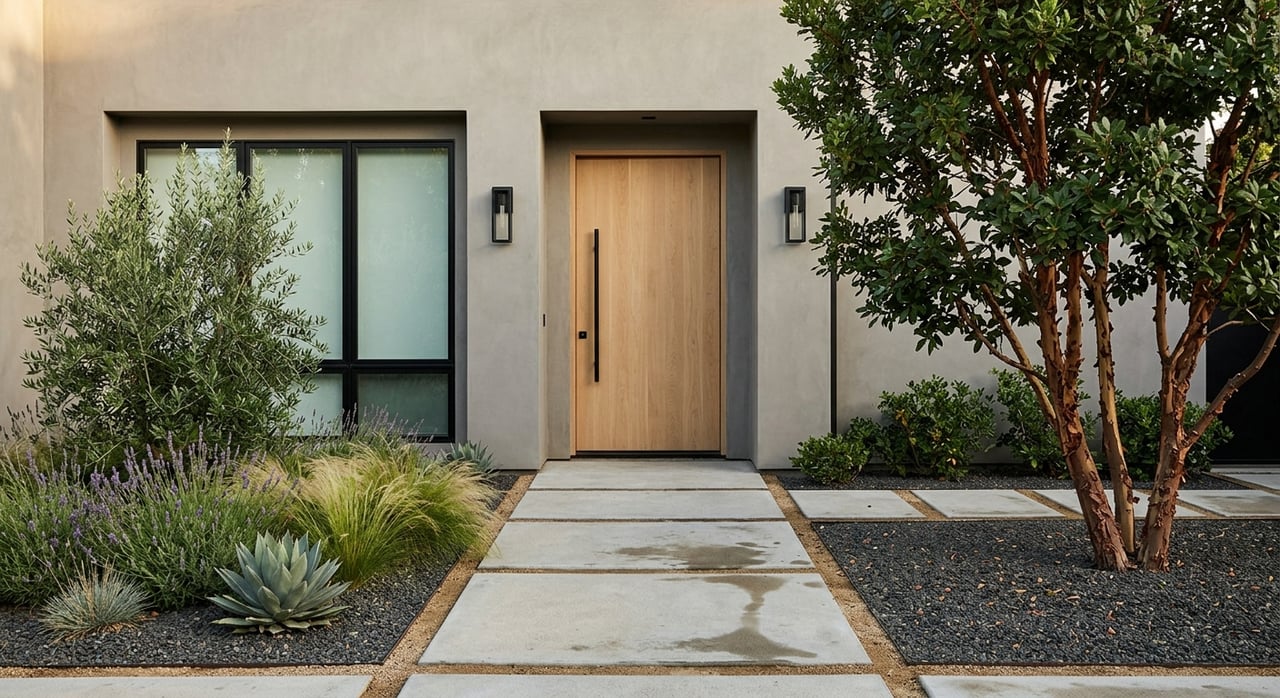
If you want your Santa Rosa home sale to feel less stressful and more predictable, the work starts before the listing goes live. In a market where prepared homes can stand out, small missteps like skipping repairs, rushing disclosures, or overlooking wildfire-related requirements can slow everything down. The good news is that with the right plan, you can simplify the process, protect your timeline, and present your home at its best. Let’s dive in.
Why preparation matters in Santa Rosa
Santa Rosa is currently a somewhat competitive market. Redfin’s April 2026 data show a median sale price of $724,626, about 37 days on market, roughly two offers per home, a 100.0% sale-to-list price, and 36.2% of homes selling above list price.
That means buyers are active, but it does not mean every home sells effortlessly. If you want strong attention from the start, your home still needs to look polished, feel move-in ready, and hit the market with the right paperwork in place.
Start with the highest-impact updates
Before you think about photos or showings, focus on the basics that make the biggest difference. According to the 2025 NAR staging survey, the most common seller recommendations were decluttering, cleaning the entire home, and improving curb appeal.
These steps matter because they help buyers focus on the home itself, not the distractions. They also tend to be more cost-effective than jumping straight into larger upgrades that may not deliver the same return.
Declutter first
Decluttering is often the most important first move. When rooms feel open and easy to navigate, buyers can better understand layout, scale, and function.
Go room by room and remove anything that makes the space feel crowded or overly personal. That often includes extra furniture, countertop items, overflowing closets, and collections that pull attention away from the home.
Deep clean the whole house
A clean home sends a strong signal that the property has been cared for. NAR found that cleaning the entire home is one of the most common recommendations sellers receive before listing.
Pay close attention to kitchens, bathrooms, baseboards, windows, flooring, and light fixtures. Even if your home is in good condition, a true deep clean can make it feel brighter, fresher, and more inviting both in person and in photos.
Improve curb appeal
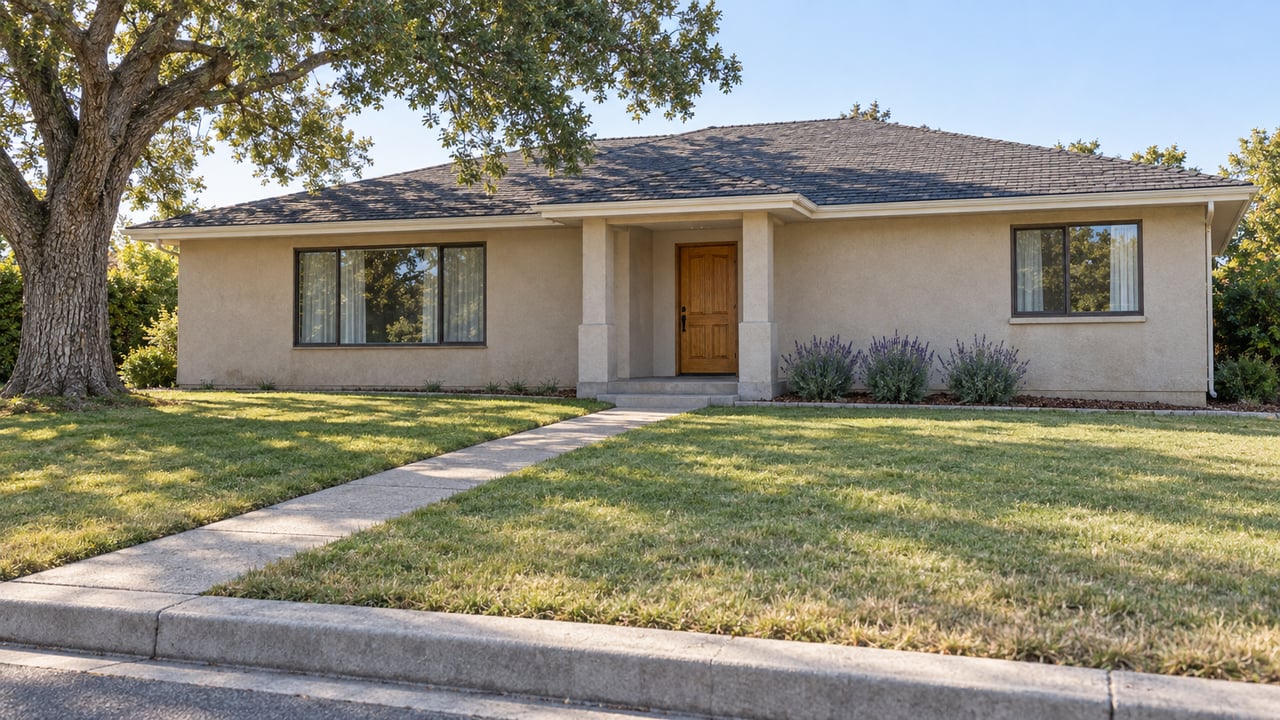
First impressions start before a buyer walks through the front door. Improving curb appeal is another high-priority pre-listing step, and in Santa Rosa it can also overlap with important exterior maintenance.
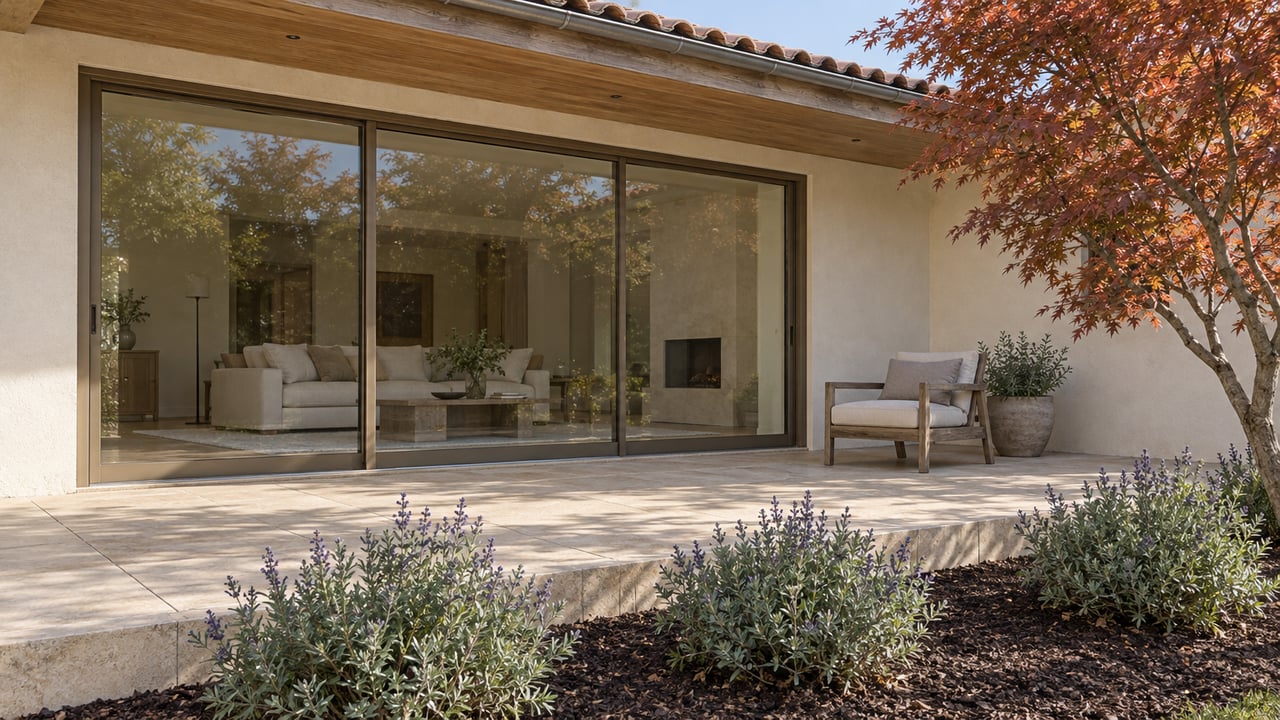
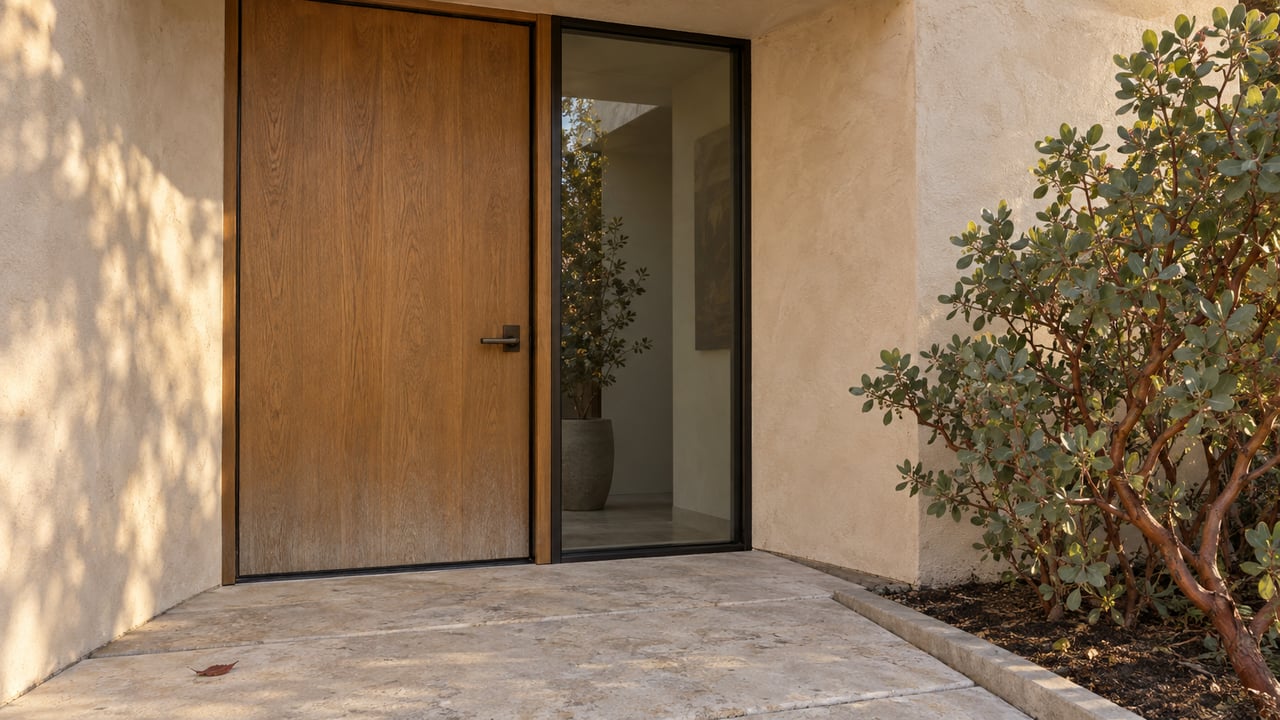
Simple updates can include trimming landscaping, refreshing mulch, sweeping paths, cleaning the entry, and making sure the front door area feels cared for. The goal is not to overdo it. The goal is to make the home look tidy, welcoming, and well maintained.
Handle obvious repairs before listing
Once the home is clean and simplified, turn to visible repair issues. Minor deferred maintenance can create outsized concern for buyers, especially when it appears in multiple places.
Think about the items a buyer will notice quickly during a showing or in photos. Loose hardware, chipped paint, damaged screens, dripping faucets, burned-out light bulbs, and worn caulking are all small issues that can make a home feel less ready.
If you are considering anything more than cosmetic work, pause before you begin. Santa Rosa requires a building permit for construction, enlargement, alteration, repair, demolition, or regulated electrical, gas, mechanical, or plumbing work unless the project is specifically exempt.
That makes it important to confirm permit requirements before scheduling larger projects. A smooth sale often depends on making smart updates in the right order, not just making more updates.
Don’t overlook Santa Rosa wildfire requirements
In Santa Rosa, exterior prep is not only about appearance. Depending on your property location, wildfire-related compliance may also be part of your pre-sale checklist.
The Santa Rosa Fire Department says embers are the reason most homes ignite in wildfires. The city recommends Zone 0 practices such as cleaning roofs and gutters, screening vents with 1/8-inch metal mesh, and moving flammable materials away from exterior walls.
Santa Rosa’s Vegetation Management Ordinance applies to all properties in the Wildland Urban Interface, and the city says about 9,000 parcels fall within that area. For those properties, defensible space requirements may apply to structures, decks, and outbuildings.
AB 38 documentation may be required
California’s AB 38-related law requires sellers of property in high or very high fire hazard severity zones to provide documentation showing compliance with defensible-space requirements. Santa Rosa has a dedicated AB 38 property-sales defensible-space inspection request form for this process.
This is one of the biggest reasons to start early. If your property falls in one of these zones, waiting until the last minute can add avoidable stress and delay.
Some vegetation clearing may not need a permit
Santa Rosa says clearing for fire protection within 100 feet of an existing dwelling can be done without a permit if it is not performed by an excavator or bulldozer. However, heritage-tree restrictions can still apply.
If you are planning exterior cleanup, it helps to verify the scope of work first. That way, you can improve safety and presentation without creating a new compliance issue during your sale.
Gather disclosures early
Paperwork may not be the most exciting part of getting ready to sell, but it is one of the most important. Starting disclosure prep early can help you avoid delays after you accept an offer.
California sellers of single-family residential property must deliver a completed Real Estate Transfer Disclosure Statement before transfer of title. If a required disclosure is delivered late after an offer is accepted, the buyer may have a short right to cancel.
California’s Natural Hazard Disclosure framework also requires disclosure of applicable hazard zones, including very high fire hazard severity zones and related compliance requirements. In practical terms, that means you should begin collecting relevant property information before your home hits the market.
Homes built before 1978 need lead disclosures
If your home was built before 1978, federal law adds lead-based paint disclosure requirements. Sellers must disclose known lead information, provide the EPA pamphlet, and give buyers a 10-day opportunity to inspect or conduct a risk assessment.
Even if your home only needs light cosmetic prep, this step should not wait until the last minute. Early document collection helps keep the transaction moving once buyer interest picks up.
Stage the rooms that matter most
After repairs and paperwork are underway, staging helps your home make the strongest possible first impression. NAR reported that among sellers’ agents, 29% said staging increased the dollar value offered by 1% to 10%, and 49% said staging reduced time on market.
The same report found a median staging-service cost of $1,500, compared with $500 when the seller’s agent handled staging. While every property is different, staging can be a practical tool when you want to improve presentation without taking on a major remodel.
Prioritize key spaces
According to NAR, buyers’ agents viewed photos, traditional staging, videos, and virtual tours as highly important to the home search process. The most important rooms to stage were the living room, primary bedroom, and kitchen, with the dining room also commonly prioritized.
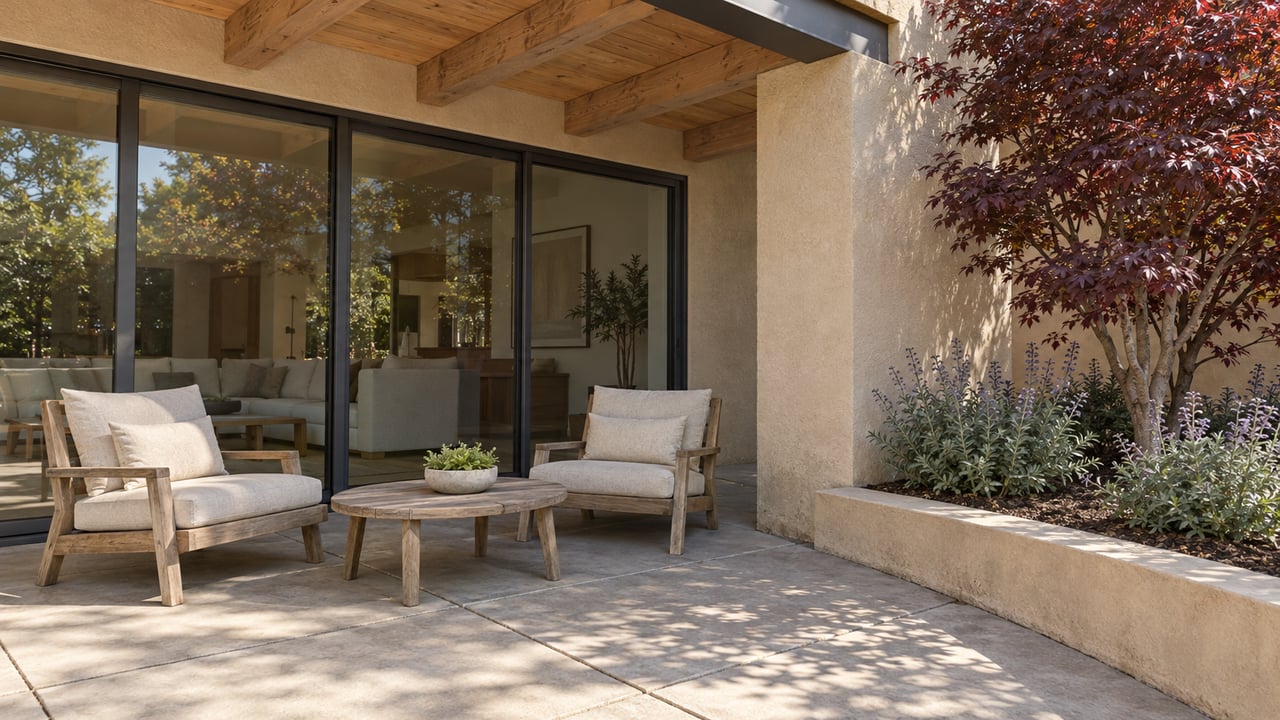
If you are deciding where to spend time and money, start there. Those spaces tend to shape a buyer’s overall impression of comfort, function, and value.
Make digital presentation count
Most buyers will meet your home online before they ever schedule a showing. That means your home needs to be ready not just for in-person visits, but for photography and digital marketing.
NAR found that photos were the most important digital feature, followed by staging, videos, and virtual tours. Clean surfaces, balanced lighting, and clear sightlines all help your listing stand out in that first online impression.
This is where timing matters. If you photograph the home before cleaning, decluttering, and staging are complete, you may miss your best chance to capture buyer attention at launch.
Follow a smart pre-sale sequence
One of the simplest ways to reduce stress is to tackle prep in a logical order. Based on Santa Rosa permit rules, local wildfire requirements, disclosure law, and NAR staging findings, a practical sequence looks like this:
- Declutter and deep clean
- Handle obvious repairs
- Confirm whether exterior cleanup falls under local wildfire rules
- Check permit requirements before larger work begins
- Gather disclosure documents early
- Stage the home
- Schedule photos and marketing
- Launch the listing
This order can save you time, reduce rework, and help you avoid the common problem of scrambling to finish paperwork or compliance items after buyer interest starts.
Why full-service coordination helps
Preparing a home for sale often involves more moving parts than sellers expect. Cleaners, handymen, landscapers, stagers, photographers, disclosure paperwork, and local compliance checks all need to be coordinated carefully.
That is why hands-on project management can make such a difference, especially if you are busy, out of area, or managing a family or estate transition. A well-run listing process is not just about marketing the home. It is about sequencing people, tasks, and timing so your property is ready before it goes live.
When your preparation is organized from the start, you are in a better position to attract buyers, avoid preventable delays, and move through the sale with more confidence. If you are thinking about selling and want a calm, thorough plan tailored to your property, Suzanne Ashimine can help you coordinate every step, from pre-sale prep through closing.
FAQs
What should I do first before listing a Santa Rosa home?
- Start by decluttering and deep cleaning, then address obvious repairs before moving on to staging, photography, and listing paperwork.
Does wildfire compliance affect a Santa Rosa home sale?
- It can. If your property is in a high or very high fire hazard severity zone, you may need documentation showing compliance with defensible-space requirements under AB 38-related law.
Do I need a permit for repairs before selling in Santa Rosa?
- Santa Rosa requires permits for many types of construction, alteration, repair, demolition, and regulated electrical, gas, mechanical, or plumbing work unless the project is specifically exempt.
Which rooms matter most when staging a Santa Rosa home?
- NAR reported that the living room, primary bedroom, and kitchen were the top rooms to stage, with the dining room also a common priority.
Why should Santa Rosa sellers gather disclosures early?
- Early disclosure prep can help prevent delays after you accept an offer, and late delivery of required disclosures may give a buyer a short right to cancel in some situations.
Do older Santa Rosa homes need extra disclosure documents?
- Yes. If the home was built before 1978, sellers must provide lead-based paint disclosures, share the required pamphlet, and allow buyers a 10-day opportunity for an inspection or risk assessment.