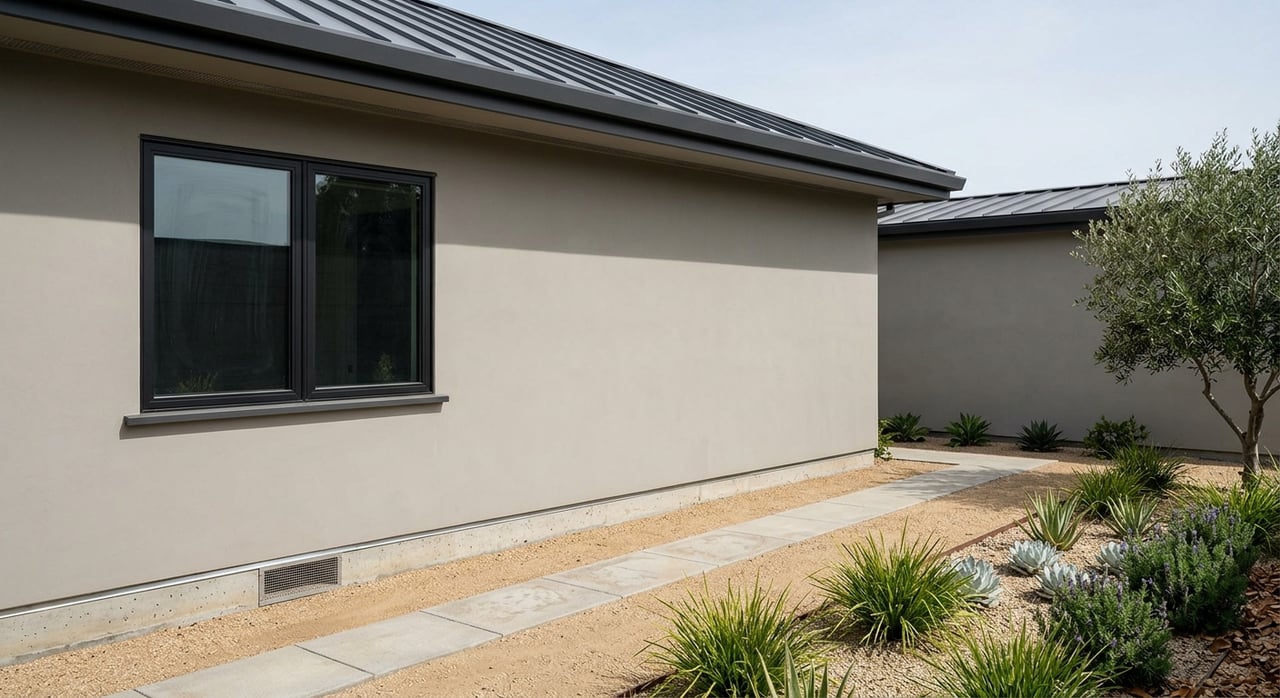
If you are shopping for a home in Glen Ellen, wildfire readiness should be part of your first showing, not an afterthought. This area offers the beauty of Sonoma Valley, but it also sits in a landscape where slope, wind, vegetation, and fire history matter in very real ways. The good news is that you can evaluate these risks with a clear process and focus on the features that make a home easier to protect, insure, and maintain. Let’s dive in.
Why wildfire readiness matters in Glen Ellen
Glen Ellen is served by the Sonoma Valley Fire District, which explicitly includes Glen Ellen among the communities it protects. That local context matters because wildfire planning here is not theoretical. It is part of how homeowners, fire agencies, and neighborhoods think about property safety and long-term resilience.
Fire hazard maps are also more nuanced than a simple safe-or-unsafe label. CAL FIRE explains that Fire Hazard Severity Zones are based on factors like fire history, fuel loading, slope, fire weather, predicted flame length, and blowing embers. In other words, two homes with the same Glen Ellen address label can still have very different wildfire considerations depending on their exact parcel and setting.
That is especially important in a place like Glen Ellen, where valley-floor development often meets steeper wildland terrain. Sonoma County wildfire planning documents note that slope is a critical indicator of fire behavior, and local Firewise summaries for nearby Glen Ellen communities describe steep elevation changes, strong westerly winds, oak woodlands, chaparral, vineyards, and farms. For a buyer, that means topography and lot layout are just as important as the home itself.
Regional fire history reinforces why buyers should take this seriously. CAL FIRE reports that the 2017 Nuns-related fires burned 44,573 acres in Napa and Sonoma, the 2019 Kincade Fire burned 77,758 acres and destroyed 374 structures, and the 2020 Glass Fire burned 67,484 acres and destroyed 1,528 structures. Those events shape how buyers, sellers, insurers, and local agencies approach homes in this part of Sonoma County today.
Start with the parcel, not the listing
One of the biggest mistakes buyers make is assuming a neighborhood reputation tells them enough. In Glen Ellen, wildfire readiness starts with the exact parcel. CAL FIRE offers a Fire Hazard Severity Zone viewer, and Sonoma County also maintains Local Responsibility Area data, so the first step is to confirm the property’s specific fire-hazard status by address.
The next key question is whether the home is in the State Responsibility Area or Local Responsibility Area. Sonoma Valley Fire District says property owners need to determine this first because defensible-space rules change by geography. The district also notes that vegetation-management rules are enforceable year-round, which makes this more than a seasonal checklist.
This step matters during escrow because wildfire compliance can affect timelines, negotiations, and documentation. If a property falls in a High or Very High Fire Hazard Severity Zone in the State Responsibility Area, Sonoma County says residential sellers must provide defensible-space compliance documentation under AB 38. Sonoma Valley Fire District also states that it conducts defensible-space inspections for homes in those zones when they are being sold or transferred.
Handle wildfire due diligence early
In Glen Ellen, wildfire issues should be addressed early in the transaction, not near the end. Permit Sonoma says defensible-space inspections are typically performed in late spring or early summer, and county and local fire districts conduct more than 4,000 inspections annually in at-risk areas. That volume alone is a good reason to ask questions early and avoid last-minute surprises.
For buyers, that means requesting any applicable AB 38 documentation as soon as possible. It also means reviewing whether the property appears to meet local vegetation and maintenance standards, especially if the home has been vacant, used seasonally, or sits on a larger lot. Early review gives you more time to understand what may need attention after closing.
For sellers, early planning can make the home easier to market and easier for buyers to underwrite with insurance. Suzanne Ashimine’s methodical, hands-on approach is especially valuable here because wildfire readiness often involves coordination, timing, and clear communication between multiple parties. A smooth transaction usually starts with organized preparation.
What to look for on the house itself
CAL FIRE defines home hardening as using construction features, building materials, and maintenance practices that help a structure resist ignition from direct flame, radiant heat, and embers. For most buyers, the best starting point is not cosmetic landscaping or curb appeal. It is the roof-to-ground transition and the details that either block embers or give them a place to ignite.
The most important items to inspect are usually:
- Roof type and condition
- Vents
- Gutters
- Eaves
- Siding
- Windows
- Doors
- Decks
- Attached fences
- Nearby outbuildings
CAL FIRE recommends Class A roofs, ember- and fire-resistant vents, clean gutters with noncombustible covers, enclosed eaves, ignition-resistant or noncombustible siding, and double-pane or tempered windows. If a home already includes several of these features, that can be a meaningful advantage for both safety and insurance discussions.
Older homes are not automatically poor choices, but they often deserve a more detailed review. A charming house with exposed eaves, older vents, attached wood fencing, and accumulated debris may need more immediate work than a simpler home with modern exterior upgrades. As a buyer, it helps to separate appearance from performance.
The first five feet matter most
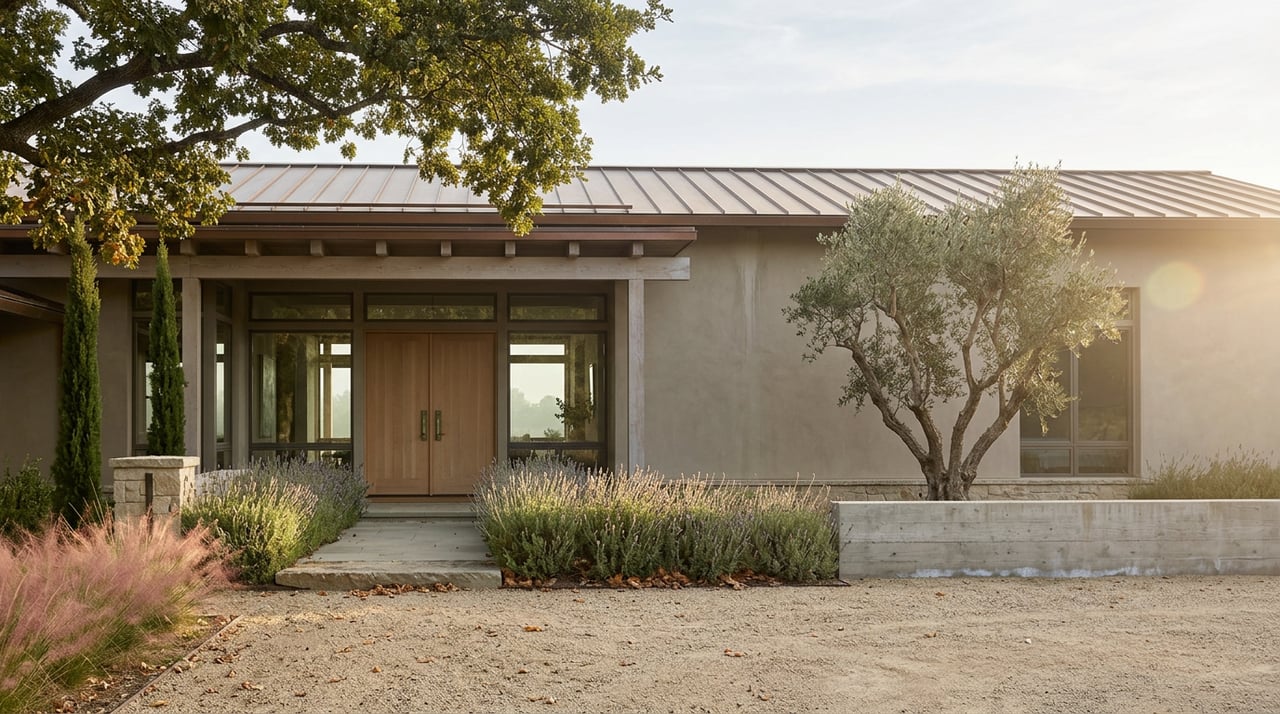
One of the clearest takeaways from California wildfire guidance is that the area closest to the home matters most. California’s Safer from Wildfires guidance emphasizes a 5-foot ember-resistant zone around the structure. That zone should use noncombustible surfaces such as stone, gravel, decomposed granite, pavers, or concrete.
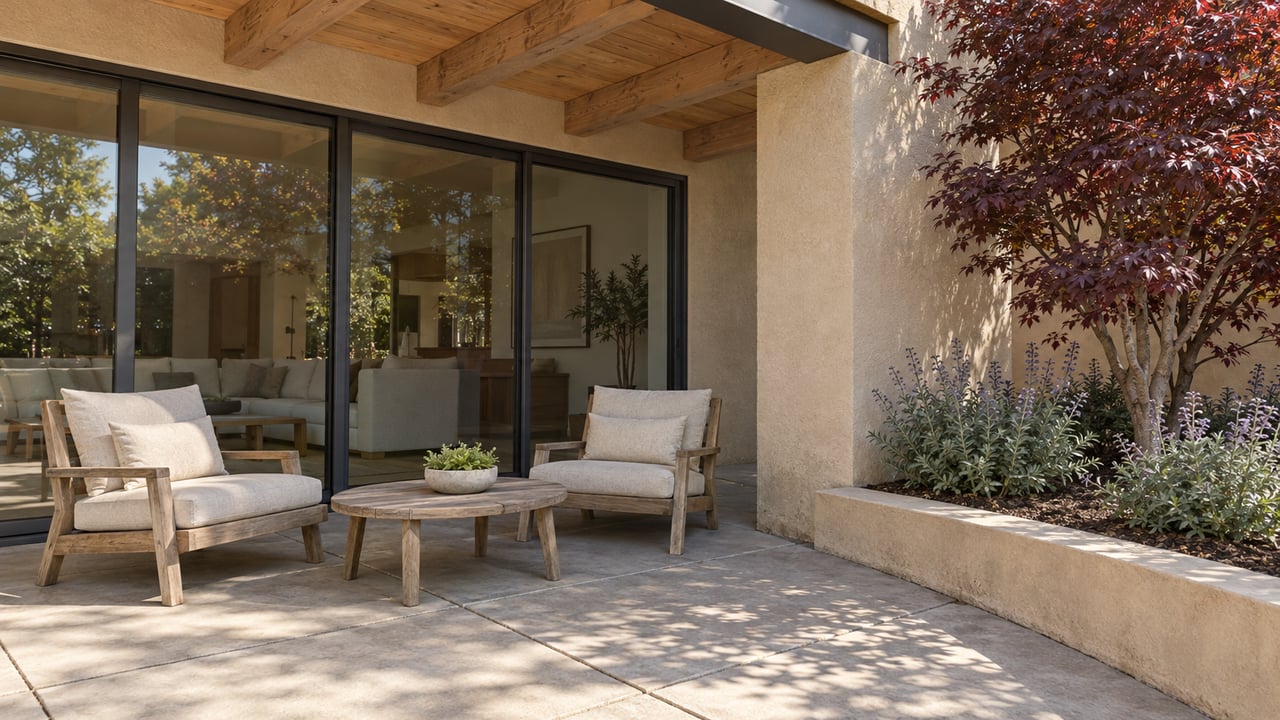
This is where many buyers find hidden risk. Decorative bark, dense foundation plantings, firewood storage, patio furniture cushions, or combustible fencing attached directly to the home can all create vulnerabilities. The same guidance warns that wood fencing attached to a home can act like a fire path.
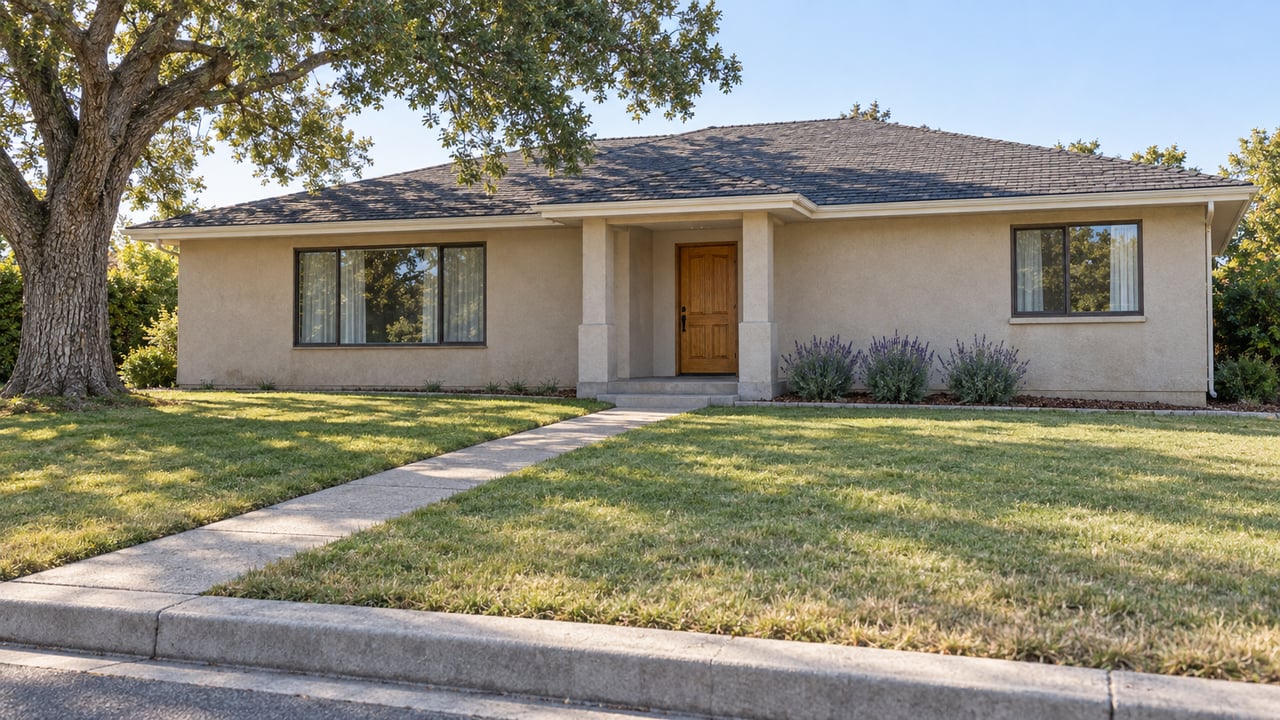
When you tour a Glen Ellen property, pay close attention to what touches the house and what sits immediately beside it. That first five feet can tell you a lot about how the home has been maintained and how much work may be needed to improve resilience.
Pay special attention to decks and slopes
Decks deserve extra scrutiny in Glen Ellen because many properties are built on or near sloped terrain. CAL FIRE warns that decks overhanging a slope are more vulnerable to ignition. It recommends clearing the 0-to-5-foot zone around the deck footprint, using ignition-resistant deck materials, adding metal flashing where appropriate, and removing stored combustible items from underneath.
Slope changes how fire can move across a property. CAL FIRE says spacing between shrubs and trees should increase on steeper slopes, and state defensible-space guidance requires 100 feet of fuel management where required by law. In practical terms, a home with a downslope deck, nearby brush, and limited clearance may deserve a closer review than a similar-sized home on a flatter parcel.
This is also why driveway access, retaining walls, and lot configuration matter. In local Firewise summaries, Glen Ellen-area communities describe steep elevation changes and strong winds as part of their wildfire setting. A buyer should think about the whole site, not just the square footage of the house.
Review nearby structures and connections
Wildfire risk does not stop at the front door. CAL FIRE notes that fences, carports, awnings, sheds, and other nearby features can help carry fire toward a house if they are combustible and connected too closely to the structure. Even a well-maintained home can be more vulnerable if those attachments create an ignition path.
As you evaluate a property, look for:
- Wood fencing attached directly to the home
- Sheds or outbuildings placed close to the house
- Combustible materials stored under decks or carports
- Dense vegetation between structures
- Little or no noncombustible separation
These are often manageable issues, but they should be identified before you close. A home that needs a few targeted improvements may still be a strong purchase, as long as you understand the scope and cost of the work.
Understand local maintenance requirements
In unincorporated Sonoma County, local standards go beyond the state minimum in some cases. Chapter 13A requires removal of dead or dying vegetation within 10 feet of structures and road frontage, grass trimmed to under 4 inches, tree pruning to at least 6 feet above grade, and removal of combustible material. For buyers, that gives you a practical framework for evaluating whether a property appears well maintained.
These rules are especially relevant for larger parcels or homes near open land. A beautiful setting can come with more vegetation-management responsibility than first-time buyers expect. If the property has mature trees, long driveways, or extensive road frontage, ask early what routine maintenance may involve.
Ask insurance questions before you remove contingencies
Insurance availability and pricing should be part of your due diligence from the start. California’s Safer from Wildfires regulation ties insurance discounts to mitigation work, and the California Department of Insurance says each recognized action under the program qualifies for a discount. Those actions include features like a Class A roof, ember-resistant vents, an ember-resistant zone, enclosed eaves, upgraded windows, and cleared under-deck vegetation.
That means home-hardening work may affect more than safety. It may also influence underwriting and premium costs. Buyers should ask their insurance broker how the home’s current condition, hazard zone, and mitigation features may affect coverage options.
If standard coverage is difficult to obtain, the California FAIR Plan is the fallback option. The California Department of Insurance says it is available to California residents and businesses that cannot obtain regular insurance, and residential policyholders may also qualify for a wildfire premium discount for hardening their properties. Knowing your options before the end of escrow can help you make a more confident decision.
Look for community-level readiness too
A wildfire-ready home is important, but so is the surrounding community. Fire Safe Sonoma’s Firewise listings show that Glen Ellen-area neighborhoods are already organizing around wildfire planning. Examples include the London Ranch Road community and the Mayacamas Volunteer Fire Foundation community in Glen Ellen.
That matters because preparedness is often stronger when neighbors are also engaged. Shared awareness around fuel management, access, and emergency planning can support individual property readiness. Sonoma County has also invested in fuel management near Glen Ellen, including a shaded fuel break in Sonoma Valley Regional Park near the Carmel Avenue entrance, which is a reminder that resilience happens at both the parcel and community level.
A practical buyer checklist for Glen Ellen
If you are comparing homes in Glen Ellen, keep this checklist handy:
- Verify the parcel’s fire-hazard status by address
- Confirm whether the property is in the State Responsibility Area or Local Responsibility Area
- Request AB 38 defensible-space documentation early if applicable
- Review the roof, vents, gutters, eaves, siding, windows, and doors
- Inspect the first 5 feet around the home for combustible materials
- Check decks, fences, sheds, and under-deck areas carefully
- Consider slope, vegetation spacing, and driveway access
- Ask about ongoing vegetation-management needs
- Speak with your insurance broker before removing contingencies
This process does not mean you need a perfect property. It means you want a clear picture of current conditions, future maintenance, and any improvements that may affect your budget or peace of mind.
Why guided due diligence matters
Buying in Glen Ellen often means balancing lifestyle, setting, and long-term practicality. Wildfire readiness is part of that equation, especially for buyers who are relocating, purchasing a second home, or comparing homes across different lot sizes and terrain. A calm, organized due-diligence process can help you move forward with clarity instead of guesswork.
That is where experienced local guidance can make a real difference. From helping you evaluate parcel-specific issues to coordinating the right questions early in escrow, the goal is to protect your interests while keeping the process manageable. If you are exploring homes in Glen Ellen and want thoughtful guidance on what to look for, connect with Suzanne Ashimine for a personalized consultation.
FAQs
What should Glen Ellen home buyers verify first about wildfire risk?
- Buyers should verify the property’s exact parcel-specific fire-hazard status by address and determine whether it is in the State Responsibility Area or Local Responsibility Area, since rules and requirements can differ.
What is AB 38 for Glen Ellen home sales?
- For residential properties in High or Very High Fire Hazard Severity Zones in the State Responsibility Area, Sonoma County says sellers must provide defensible-space compliance documentation during a sale or transfer.
Which home features matter most for wildfire readiness in Glen Ellen?
- The key features to review are the roof, vents, gutters, eaves, siding, windows, doors, decks, attached fences, and nearby outbuildings, with CAL FIRE recommending items like Class A roofs and ember-resistant vents.
Why is the first 5 feet around a Glen Ellen house so important?
- California’s Safer from Wildfires guidance emphasizes a 5-foot ember-resistant zone because combustible materials closest to the house can increase the chance of ignition from embers.
Can wildfire mitigation affect home insurance for Glen Ellen buyers?
- Yes. The California Department of Insurance says recognized mitigation actions under the Safer from Wildfires program qualify for insurance discounts, and buyers should ask their insurance broker how those features may affect underwriting and pricing.
Are decks a bigger concern for Glen Ellen homes on slopes?
- Yes. CAL FIRE says decks overhanging slopes are more vulnerable, so buyers should review deck materials, vegetation clearance, and whether combustibles are stored underneath.