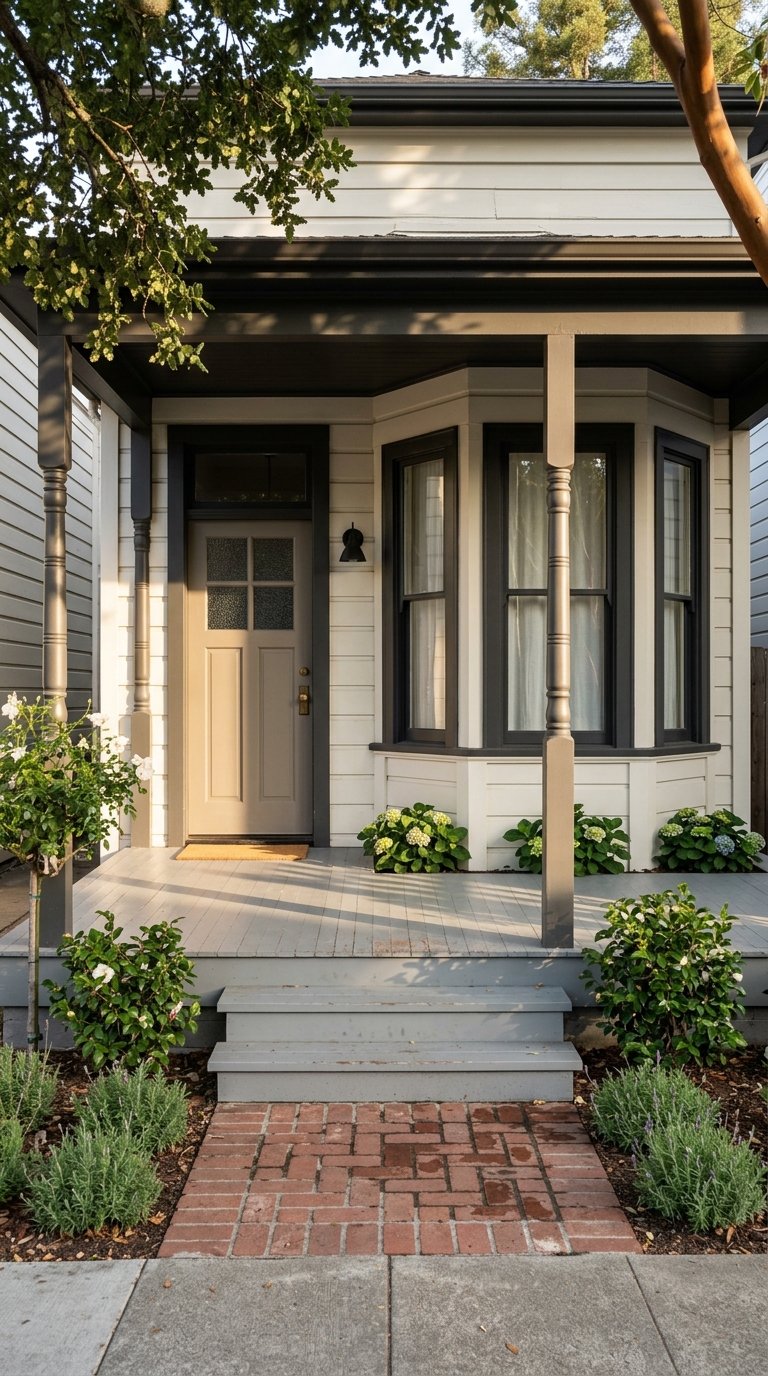
Wondering what it’s really like to live in one of Petaluma’s historic neighborhoods? If you love older homes, walkable streets, and a strong sense of place, Petaluma’s historic districts can feel especially appealing. They also come with a different ownership experience than a newer subdivision, so it helps to know what to expect before you buy. Let’s dive in.
Where Petaluma’s historic districts are
Petaluma’s historic core centers on downtown and the older residential neighborhoods around it. City materials identify the Petaluma Historic Commercial District downtown, along with the Oakhill-Brewster, A Street, and Upham Street historic districts nearby.
Because city sources do not always present the district count in exactly the same way, it is often clearer to think in terms of the named neighborhoods rather than a single number. The city has also surveyed more than 300 properties for potential historic significance, which shows that Petaluma’s historic fabric reaches beyond the best-known district names.
Downtown Petaluma
The Petaluma Historic Commercial District covers much of downtown. It reflects commercial growth from the mid-19th century through World War II and was listed on the National Register in 1995.
If you spend time here, you will notice a compact historic core with a strong visual identity. The area feels cohesive because so many older buildings remain intact.
Oakhill-Brewster
Oakhill-Brewster sits northwest of downtown and is one of Petaluma’s earliest residential neighborhoods. It includes a wide span of homes from the 1850s through the 1980s, with both larger residences and more modest houses.
City descriptions highlight the continuity of period, form, and scale along many block faces. In practical terms, that means the neighborhood often feels visually consistent even though the housing stock covers many decades.
A Street
The A Street Historic District is southeast of downtown. It is a mixed-use residential district with houses, apartments, churches, and offices, most of them built before 1925.
This area stands out for having many nearly intact buildings from its development era. If you value a neighborhood that still reads clearly as an early Petaluma district, A Street has that appeal.
Upham Street
Upham Street is a smaller residential historic district. It follows the Oakhill-Brewster design guidelines and adds to the concentration of older homes around the downtown core.
For buyers, this smaller scale can be part of the charm. It also means the historic context matters block by block.
What the architecture feels like
One of the biggest draws of living in Petaluma’s historic districts is the architecture itself. Downtown commercial buildings include Italianate and Second Empire cast-iron-front buildings, along with later Renaissance Revival, Art Moderne, and Mediterranean Revival examples.
In the surrounding residential areas, you will find Italianate, Carpenter Gothic, Queen Anne, and Second Empire homes, plus Victorian cottages that may be simpler in style but still contribute to the overall character. Early 20th-century construction added Craftsman, Spanish Revival, Mediterranean Revival, Tudor Revival, Neoclassical, and Colonial Revival buildings.
Why so much historic character remains
A key part of Petaluma’s story is that the city was not heavily damaged by the 1906 earthquake and fires. It suffered only minor damage, which helped more of the original building stock survive.
That survival shows up today in the streetscape. Instead of feeling like a few old homes scattered among major teardowns, many blocks still read as a layered Victorian and early-20th-century townscape.
Daily life in the historic core
Living in Petaluma’s historic districts is not just about architecture. It is also about how the older core functions day to day.
Downtown amenities help create a more compact, pedestrian-oriented feel than you may find in lower-density parts of the city. Putnam Plaza and Walnut Park sit in the heart of downtown, while the Turning Basin and Petaluma River help shape the area’s identity and give residents easy access to low-key outdoor recreation.
Parks, river access, and downtown rhythm
Petaluma River Park is centrally located at Copeland and D Streets and offers daily dawn-to-dusk access along with a 1.4-mile loop trail. The river itself supports walking, paddling, bird-watching, and a quieter kind of recreation that fits the area’s historic setting.
That mix of downtown destinations and river access can make daily life feel more connected. You may find that errands, dining, and outdoor time fit together more easily than they do in areas built around driving between destinations.
Transit and getting around
Transit adds to the convenience of the historic core. The downtown SMART station is at 220 Lakeville Street and sits next to the Petaluma Transit Mall on Copeland Street.
That location connects you with service from Golden Gate Transit, Sonoma County Transit, Petaluma Transit, and the free LumaGo shuttle. The station area also includes bike racks, bike lockers, and Redwood Bikeshare, which supports a more flexible car-light lifestyle for some residents.
The preservation culture you will notice
Petaluma’s historic districts are supported by a visible preservation-minded civic culture. The city and the Petaluma Historical Museum Association coordinate National Historic Preservation Month events, including downtown historical walking tours.
The museum’s Heritage Homes program also helps keep local history and home preservation in view. For residents, that often translates into a stronger shared awareness of the city’s built environment and why it matters.
Landmarks that reinforce identity
Local landmarks help anchor that sense of place. Examples include the former Carnegie Library, now the Petaluma Historical Library & Museum, the U.S. Post Office at 4th and D, the Opera House, and the Old Silk Mill.
These buildings are not just background scenery. They contribute to the feeling that downtown Petaluma is a place with continuity, memory, and a distinct architectural identity.
What ownership is really like
Historic homes can be deeply rewarding to own, but they usually require more planning than newer properties. In Petaluma, owners are expected to review the relevant district guidelines and the Secretary of the Interior’s Standards before starting exterior work in a historic district.
The city says almost all exterior work requires some level of discretionary review. Depending on the scope, changes to designated historic resources may require a Historic Site Plan and Architectural Review application, with review handled either by staff or by the Historic and Cultural Preservation Committee.
Exterior changes are not routine remodels
This is one of the most important things to understand before buying in a historic district. A project that might feel straightforward in another neighborhood, such as changing windows, altering siding, or making a visible addition, may involve a more detailed approval process here.
That does not mean improvements are impossible. It means you should plan ahead, understand the guidelines early, and build extra time into your project expectations.
Demolition gets close scrutiny
Petaluma treats demolition very carefully. The city’s demolition policy says any structure built before 1945 is subject to review.
The city also defines demolition broadly. It can include removing 50 percent or more of exterior walls, some second-story additions, relocating a building, or raising a structure beyond what is needed for a new foundation.
Materials matter
Material choices can matter just as much as the project scope. Petaluma’s building-material guidance discourages vinyl windows, plastic gutters, vinyl siding, vinyl shutters, and similar synthetic exterior materials in historic renovation.
For buyers, that is worth factoring into long-term maintenance budgets. Repairs and updates may call for more historically compatible materials and methods than you would use on a non-historic property.
Who these neighborhoods fit best
Petaluma’s historic districts tend to be a strong fit if you are drawn to character, neighborhood identity, and a downtown-centered lifestyle. If you enjoy older architecture, established streetscapes, and the idea of being close to parks, the river, transit, and downtown destinations, these neighborhoods can offer a very appealing mix.
The tradeoff is that ownership usually involves more review and more planning around exterior work. For many buyers, that is a worthwhile exchange because the preserved setting is exactly what makes these neighborhoods special.
Smart questions to ask before you buy
If you are thinking about buying in one of Petaluma’s historic districts, it helps to ask practical questions early in the process. A little homework can help you match the home’s character with your long-term plans.
Consider asking:
- Is the home within a named historic district?
- Has the property had prior exterior alterations?
- Are there any visible materials or features that may not align with current guidance?
- If you want to renovate, what kind of city review could be required?
- Does the home’s upkeep fit your budget and timeline expectations?
For many buyers, the right historic home is the one that balances charm with a realistic maintenance plan. Going in with clear expectations can make the experience far more rewarding.
If you are exploring Petaluma’s historic districts and want thoughtful guidance on how a home’s character, location, and long-term upkeep fit your goals, Suzanne Ashimine can help you evaluate your options with clarity and care.
FAQs
What are the main historic districts in Petaluma?
- Petaluma’s historic core includes the downtown Petaluma Historic Commercial District and the nearby Oakhill-Brewster, A Street, and Upham Street historic districts.
What is it like living near downtown Petaluma’s historic core?
- Living near downtown Petaluma’s historic core can mean easier access to Putnam Plaza, Walnut Park, the Turning Basin, Petaluma River Park, transit connections, and a more compact, pedestrian-oriented daily routine.
Do historic homes in Petaluma require extra review for renovations?
- Yes. The city says almost all exterior work in a historic district requires some level of discretionary review, and some projects may need a Historic Site Plan and Architectural Review application.
Does Petaluma review demolition of older homes?
- Yes. Any structure built before 1945 is subject to review, and the city defines demolition broadly enough to include certain major exterior removals, relocations, and some large additions.
What architectural styles can you find in Petaluma’s historic districts?
- You can find Italianate, Second Empire, Carpenter Gothic, Queen Anne, Craftsman, Spanish Revival, Mediterranean Revival, Tudor Revival, Neoclassical, Colonial Revival, and other period buildings across the historic core.