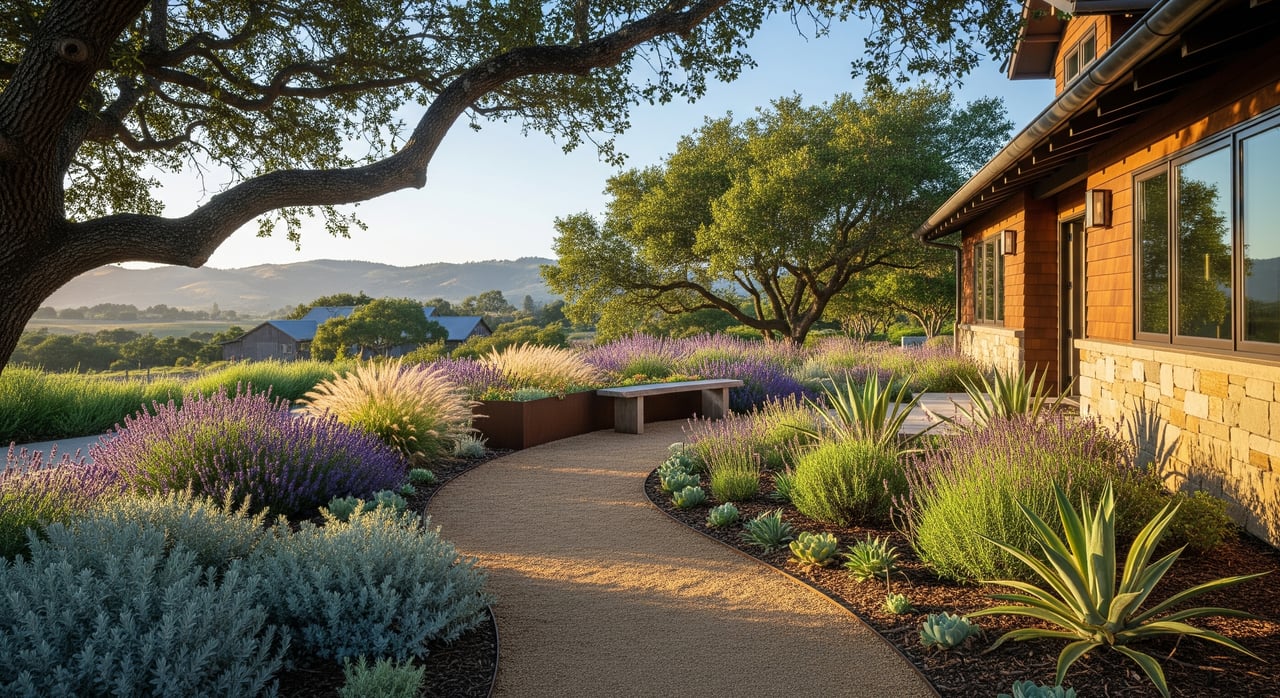
Is your thirsty lawn holding back your home’s appeal? In Petaluma’s cool, dry summers, traditional turf can be costly to maintain and vulnerable during drought cycles. You are not alone if you are weighing a water-wise refresh before selling or as a long-term upgrade. In this guide, you will learn what drought-tolerant landscaping means here, how it can influence resale value, what it costs, and the smart steps that deliver the best return. Let’s dive in.
Petaluma climate and water context
Petaluma sits in a cool-summer Mediterranean climate with wet winters and dry summers. That means most landscapes need supplemental irrigation for several months each year. Native and Mediterranean-adapted plants often thrive here with far less summer water once established.
Regional water agencies have shifted toward ongoing conservation after prolonged drought cycles. Sonoma Water and the City of Petaluma offer conservation resources and sometimes rebates for turf replacement and irrigation efficiency. These programs change, so check current offerings before you plan work.
Fire safety matters as much as water. Sonoma County and Cal Fire defensible space guidance affects plant selection and spacing near structures. Drought tolerant does not always mean low fire risk, so species choice and regular maintenance are key.
What drought-tolerant landscaping includes
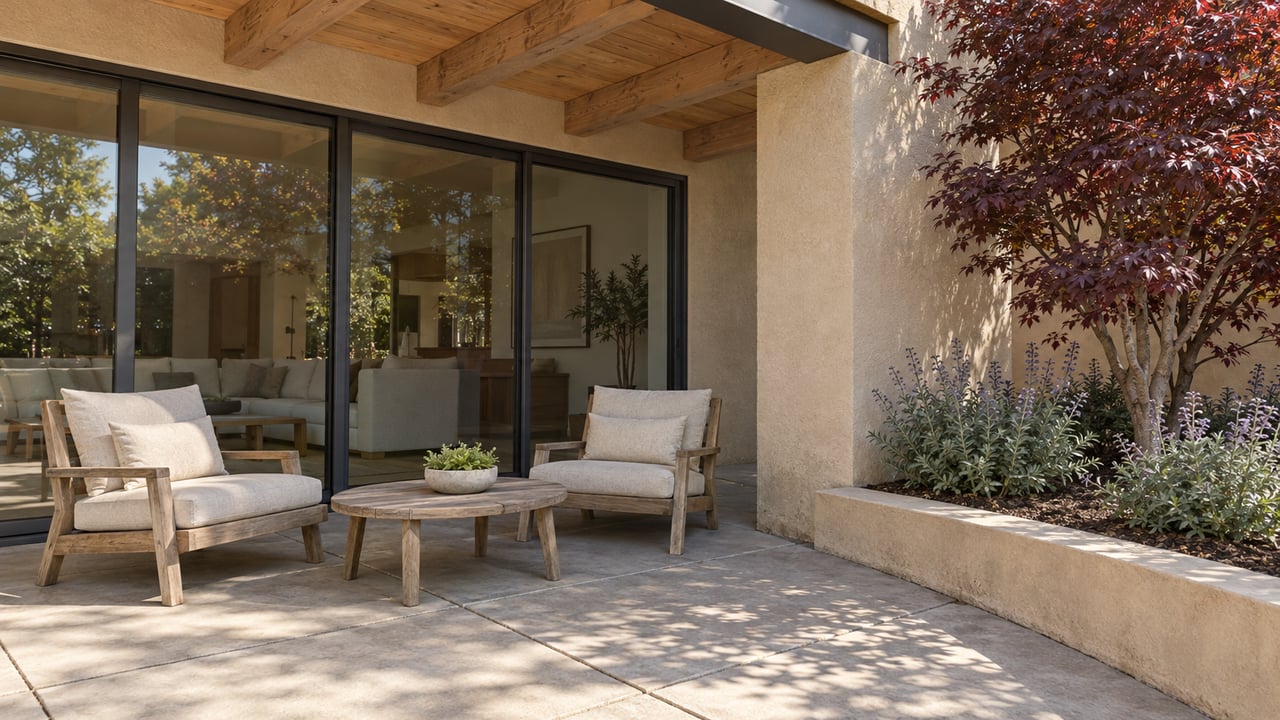
A water-wise yard in Petaluma usually combines several elements that work together:
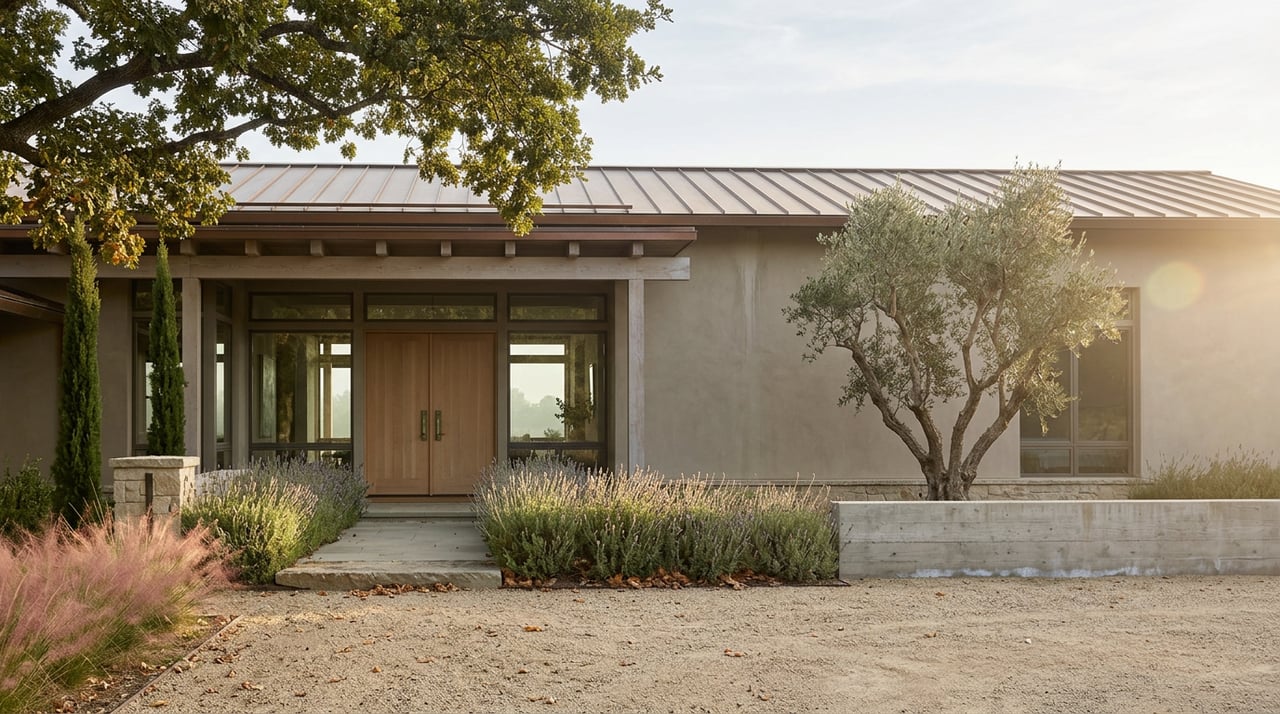
- Native and Mediterranean-adapted plants, such as California sages, ceanothus, manzanita, toyon, penstemons, and bunchgrasses.
- Mulch to retain soil moisture, plus gravel or decomposed granite paths and permeable hardscape.
- Efficient irrigation, often drip or sub-surface drip, with smart controllers and weather sensors.
- Turf reduction or removal, sometimes paired with high-quality artificial turf where a durable surface is desired.
- Rain capture and soil health measures, like rain barrels, swales, and organic amendments to boost water holding capacity.
Petaluma-friendly choices and care
Choose regionally appropriate natives and Mediterranean plants that can handle coastal influence and varied soils. Many homeowners phase improvements, starting with high-impact front beds and the entry approach. Even low-water landscapes need care, including occasional pruning, refresher mulch, and seasonal irrigation checks to stay tidy and healthy.
Does it add value at resale?
Well-designed landscaping consistently improves curb appeal, which is a major driver of buyer interest. In Petaluma, drought-tolerant features tend to add value when they are visually attractive, intentionally designed, and clearly maintained. Align the look with neighborhood expectations so your home feels at home on the block.
The strongest returns usually come from visible areas. A polished front yard, a welcoming entry, and a neat outdoor living space do more for perception than hidden upgrades alone. Documenting improvements and any rebates helps buyers understand the benefits.
When it helps most
- The design looks intentional, cohesive, and well cared for.
- Improvements focus on curb appeal zones first, including front beds and walkways.
- The landscape signals low maintenance and water efficiency with clear details.
- The plan balances play or pet needs with water-wise choices where appropriate.
Costs, incentives, and savings
Budgets vary widely by yard size, plant maturity, materials, and labor. As a planning guide, many Petaluma projects fall into these broad ranges:
- Small refresh, such as front bed updates, mulch, and irrigation tweaks: a few hundred to a few thousand dollars.
- Moderate conversion, such as partial turf removal, new drip zones, shrubs and perennials, and mulch: often in the mid four figures, roughly 5,000 to 20,000 dollars for many suburban yards.
- Full redesign with major turf removal, new irrigation, mature plants, and hardscape: 20,000 dollars and up.
Local rebates sometimes offset costs for turf removal, irrigation upgrades, and smart controllers. Water bill savings add up over time, although payback depends on previous use and yard size. Many owners also value reduced maintenance and sustainability alongside any financial return.
Fire-smart and water-wise balance
Follow defensible space guidance near structures. Use lower flammability plants close to the home, keep mulch depth managed, and maintain spacing so fuels do not accumulate. A yard can be drought tolerant and fire conscious with the right species choices and regular upkeep.
Seller playbook for curb appeal
Focus on visible, cost-effective improvements that signal care and efficiency.
Quick wins
- Clean edges, prune and shape shrubs, and remove weeds.
- Add fresh mulch for a neat, finished look and better moisture retention.
- Fix irrigation overspray, leaks, and broken emitters. Consider a smart controller.
Front-yard refresh
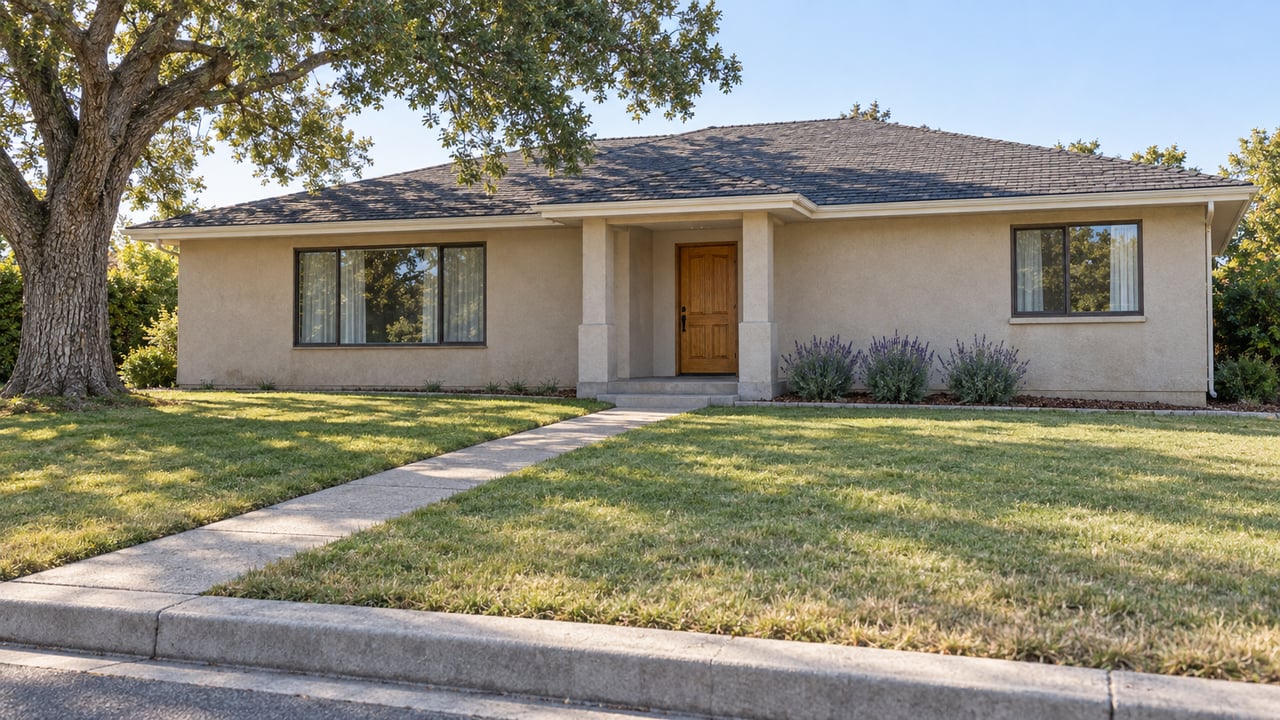
- Replace small, hard-to-water turf strips with attractive low-water beds.
- Use a tidy plant palette and defined pathways to show intention.
- Consider high-quality artificial turf only where a durable play or pet area makes sense.
Documentation buyers appreciate
- Plant list with maintenance notes and watering schedule for establishment.
- Irrigation audit or controller info, plus any rebate paperwork and receipts.
- Before-and-after photos that highlight curb appeal and usability.
Tips for eco-minded buyers
If a home already has drought-tolerant landscaping, look for established plants and ask about irrigation type, controller settings, and recent maintenance. Request a plant list and any warranty or contractor details. If you need turf alternatives for pets or play, ask about drainage and surface durability. For future changes, review HOA rules and defensible space requirements before you start.
Common pitfalls to avoid
- Overinvesting in expensive hardscape or specialty features that outpace the neighborhood price tier.
- Removing all backyard lawn without offering a practical alternative where buyers may want flexible use.
- Sparse, unfinished conversions that read as incomplete rather than intentional.
- Ignoring fire-smart spacing or skipping basic maintenance between listing photos and showings.
How Suzanne helps you execute
You do not have to manage this on your own. With white-glove coordination, vendor management, and premium Compass marketing, Suzanne helps you plan and execute the right scope for your property and price point. That can include prioritizing curb-appeal zones, arranging irrigation checks, sourcing regionally appropriate plants, and organizing documentation and staging so buyers understand the benefits at a glance. When it is time to list, thoughtful presentation and clear messaging about water-wise features can strengthen your negotiation position.
Ready to map out the best pre-sale improvements for your home? Connect with Suzanne Ashimine to request a complimentary home valuation or consultation.
FAQs
Do drought-tolerant yards in Petaluma reduce maintenance?
- Yes, compared to high-water lawns and thirsty ornamentals once plants are established, but you still need seasonal pruning, mulch refreshes, and irrigation checks.
Will removing lawn hurt resale in Petaluma?
- It depends on design and use; front-yard lawn replaced with an attractive low-water landscape often boosts curb appeal, while removing all backyard lawn without a usable alternative may limit appeal for some buyers.
What plants fit Petaluma’s climate for low-water yards?
- Regionally appropriate natives and Mediterranean species such as California sages, ceanothus, manzanita, toyon, penstemons, and bunchgrasses typically perform well once established.
How do I balance drought tolerance with fire safety?
- Choose lower flammability plants close to structures, maintain spacing and cleanliness, manage mulch depth, and follow local defensible space guidance.
Are local rebates available for turf removal or irrigation upgrades?
- Sonoma Water and the City of Petaluma periodically offer rebates for lawn replacement and irrigation efficiency, so confirm current programs and eligibility before you begin.